
North America | New York | Osmote
Osmote

Wines
Finger Lakes
Osmote Cayuga White Pétillant Naturel
Osmote This Is Red Pétillant Naturel
Osmote Finger Lakes Riesling
Osmote Riesling Seneca Lake
Osmote Semi Dry Riesling
Osmote Chardonnay Cayuga Lake
Osmote Chardonnay Seneca Lake
Osmote De Chaunac Finger Lakes
Osmote Cabernet Franc Seneca Lake
Osmote Pocket Wine
Osmote TTYL White Blend
Summary
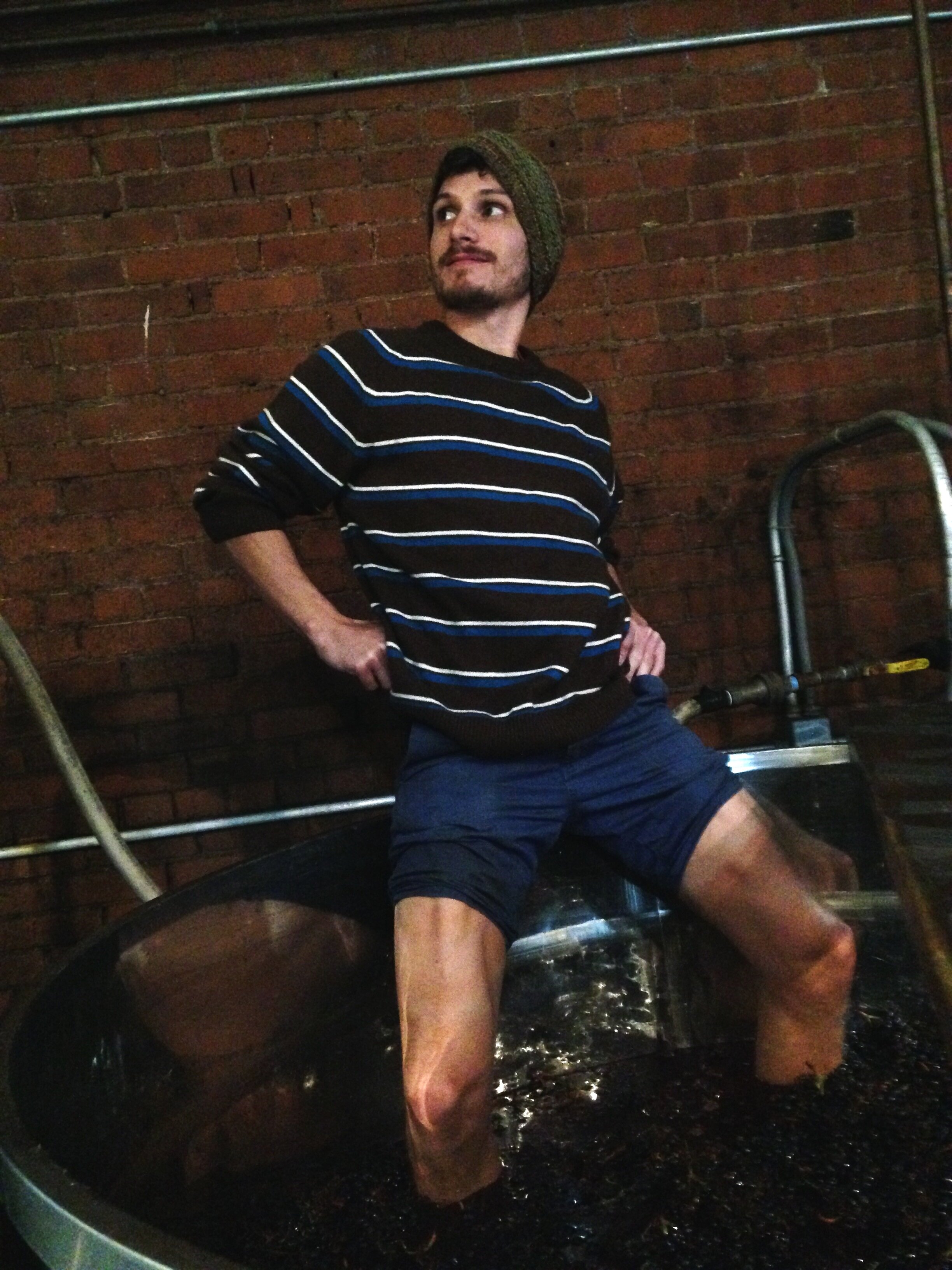
Ben Riccardi is a young winemaker in the Finger Lakes region of New York with a degree in oenology from Cornell University. In addition to his formal education, Ben spent several vintages in New Zealand and the south of France gaining valuable hands-on winemaking experience. Having begun as a tenant winery within a bigger facility in 2014, Ben took the plunge and moved into his own facility in Ovid, NY in 2020. A former trucking garage, the space has been converted to a fully functioning winery filled with tanks, wine presses, and barrels. The winery continues to develop and now serves a dual function as a community building as well as that of host to smaller tenant wineries, helping them to foster their brands.
From the start, Ben has sourced his grapes from vineyards grown around Seneca Lake, the largest and deepest of the Finger Lakes, and the crown jewel of New York State's premier cool climate region. However, with growth comes change! In 2024, Osmote planted their own vineyard blocks on the farm. The vines overlook the water on the eastern shore of Seneca Lake and sit 950’ above sea level with a westerly slope that runs down towards the lake. The soils are rich gravelly loams which were formed during the last ice age as glacial outwash.
Beginning with modern disease resistant varieties, Osmote’s commitment lies with regenerative viticulture, a holistic vineyard management program focused on soil building that favors diversity and sustainability with a minimum of inputs. Presently, they manage a small orchard, several gardens, and pasture-raised pigs in addition to their winemaking production.
Ben sources many of his grapes from vineyards grown around Seneca Lake, the the largest, deepest Finger Lake and the crown jewel of New York State's premier cool climate region. Here viticulture exists on the edge of possibility. Even though winter lows are often sub-zero across upstate New York, this lake over 600ft deep never freezes and the warmth of the water keeps the vines alive through the frozen months. Vines thrive in sedimentary soils set on the steep shale stone slopes banks of the lake.